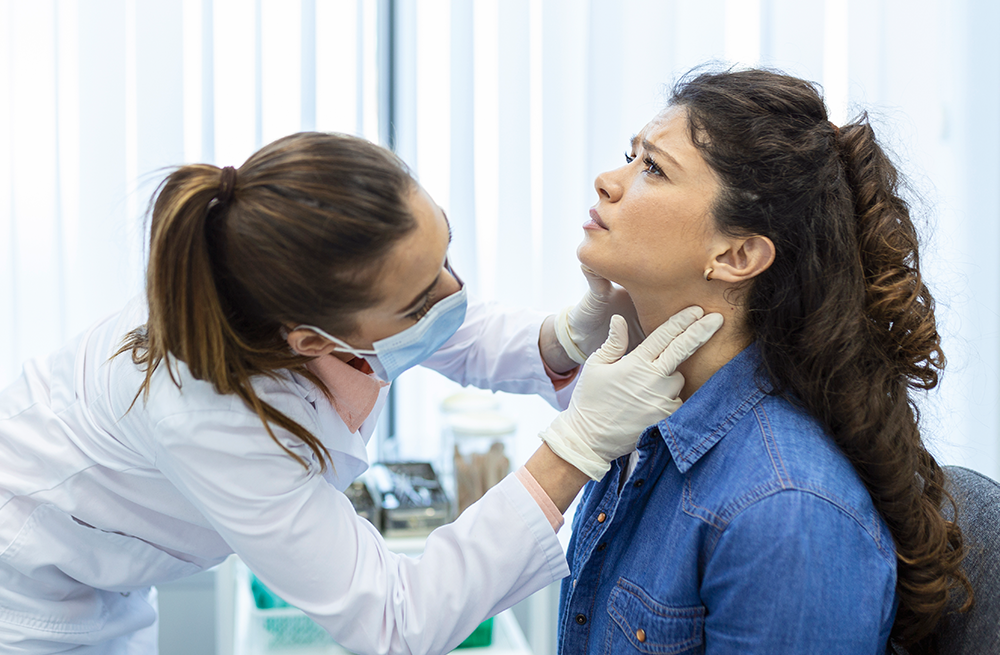




Think of your annual physical like a “tune-up” for your body. Even if you feel perfectly healthy, regular check-ups are the best way to catch potential health issues before they become serious. But what actually happens during these visits? And which tests are essential?
While your doctor will tailor your visit based on your age, sex, and family history, here is a guide to the standard tests and screenings that form the backbone of preventive health.
1. The Vital Signs
Before the “tests” begin, your provider will establish your baseline. This is the foundation of every medical record.
- Blood Pressure: High blood pressure (hypertension) often has no symptoms but can lead to heart disease or stroke. A healthy reading is generally around 120/80 mmHg.
- Heart Rate & Respiratory Rate: These help identify underlying issues like arrhythmia or lung conditions.
- BMI (Body Mass Index): By measuring height and weight, your doctor can assess if you are in a healthy weight range, which impacts your risk for diabetes and heart disease.
2. Blood Work: The “Inside Look”
A simple blood draw can reveal a wealth of information about how your organs are functioning.
- Complete Blood Count (CBC): This checks for anemia, infection, and clotting issues by measuring red and white blood cells and platelets.
- Comprehensive Metabolic Panel (CMP): This measures glucose levels, electrolyte balance, and how well your kidneys and liver are working.
- Lipid Panel (Cholesterol Test): This measures “good” (HDL) and “bad” (LDL) cholesterol, along with triglycerides. High levels are a major risk factor for cardiovascular disease.
- Blood Glucose (A1C): This is critical for screening for pre-diabetes or Type 2 diabetes.
3. Screenings by Life Stage
As we age, our risk factors change, and so do the tests we need.
In Your 20s and 30s
- STI Screenings: Essential for sexually active individuals.
- Cervical Cancer Screening (Pap Smear): Generally recommended every 3–5 years for those with a cervix.
- Skin Check: A visual exam to look for suspicious moles or signs of skin cancer.
In Your 40s and 50s
- Mammograms: Usually starting at age 40 or 45 for breast cancer screening.
- Colorectal Cancer Screening: Now recommended to start at age 45. This may involve a colonoscopy or stool-based tests.
- Prostate Screening: Men should discuss the pros and cons of PSA (Prostate-Specific Antigen) testing with their doctor starting at age 50 (or earlier if high-risk).
4. Mental Health & Lifestyle
A check-up isn’t just physical. Your doctor should also screen for:
- Depression and Anxiety: Often handled through a simple questionnaire (like the PHQ-9).
- Sleep Quality: To check for signs of sleep apnea or chronic insomnia.
- Vaccination Status: Ensuring you are up to date on Tdap, Flu, COVID-19, and Shingles (for older adults).
How to Prepare
To get the most out of your appointment, come prepared:
- Fast if needed: Some blood tests (like glucose and lipids) require you not to eat for 8–12 hours prior.
- Bring a list: Write down any symptoms you’ve noticed, even if they seem minor.
- Know your family history: Has a close relative recently been diagnosed with a condition? Tell your doctor.
Prevention is the best medicine. By staying on top of these tests, you aren’t just living longer—you’re living better.