

Recently, there have been reports of increasing Melioidosis cases in neighboring Thailand. To ensure public safety and awareness, we would like to share essential knowledge about this disease so that everyone can take necessary precautions.
What is Melioidosis?
Melioidosis (commonly known as “Soil Flu”) is not a typical viral flu. It is a severe infectious disease caused by the bacterium Burkholderia pseudomallei. This bacterium primarily thrives in soil and contaminated water.
Common Symptoms
If infected, symptoms may include:
- High fever
- Headaches
- Coughing and chest pain
- Abscesses or skin sores at the site of infection
- Severe Complication: If the bacteria enter the bloodstream, it can lead to sepsis (blood poisoning), which is a life-threatening condition.
How is it Transmitted?
While person-to-person transmission is rare, the disease spreads through environmental contact:
- Skin Contact: Bacteria entering through cuts, scratches, or open wounds when in contact with contaminated soil or water.
- Inhalation: Breathing in dust particles or water droplets contaminated with the bacteria.
- Ingestion: Drinking contaminated or untreated water.
Prevention Tips (Preparing for the Monsoon Season)
Since there is currently no vaccine available for Melioidosis, prevention is the best defense:
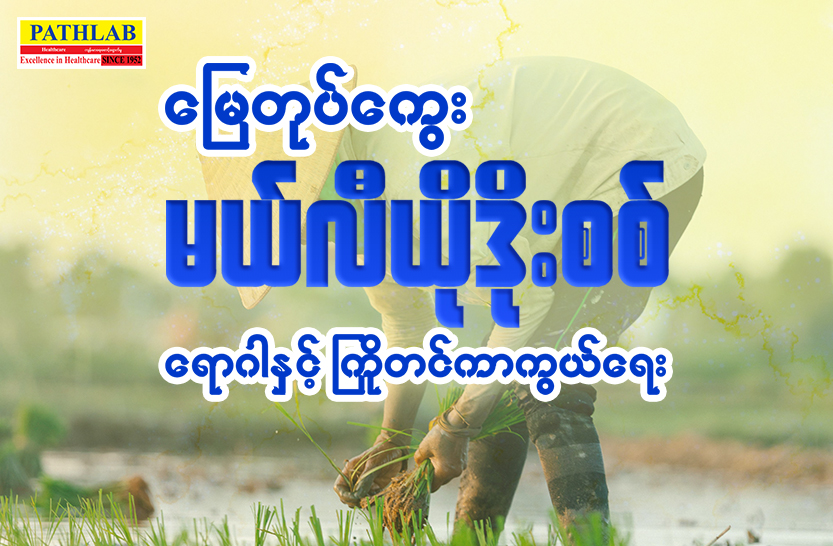
🛡️Wear Protective Gear: Especially for agricultural workers; always wear rubber boots and gloves when working in soil or standing water.
🛡️Protect Wounds: If you have cuts or abrasions, cover them with waterproof bandages. If you come into contact with soil/mud, wash the area immediately and thoroughly with soap.
🛡️Practice Hygiene: Wash your hands and feet thoroughly after being outdoors or handling soil.
🛡️Drink Safe Water: Avoid drinking untreated or potentially contaminated water.
Important Note: If you experience unexplained fever or persistent skin sores, do not ignore them. Please seek medical attention at the nearest healthcare facility as soon as possible for proper diagnosis and treatment.